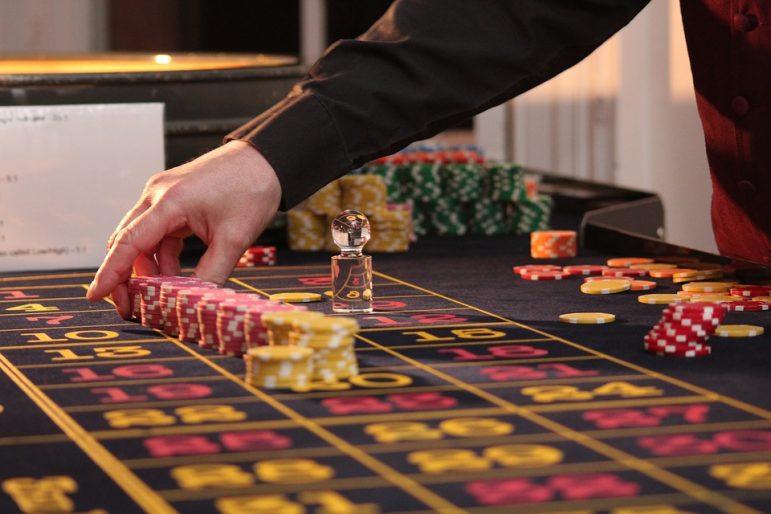
Can luck really be measured in the casino world?
The Nature of Luck in Gambling
When discussing the concept of luck in the casino world, it’s essential to understand what luck actually represents. Luck is often described as a chance occurrence that can lead to favorable outcomes, particularly in games of chance. In gambling, luck plays a prominent role, but it is intertwined with probability and strategy. Players frequently attribute their wins to luck, while losses are often blamed on misfortune. To access various resources that explore this topic further, you might find Winningz access helpful in navigating the complexities of luck and skill. This duality raises questions about whether luck can truly be quantified or measured within the casino environment.
Many games found in casinos are built on random number generators or shuffle algorithms, making it difficult to isolate luck from other influencing factors. For instance, in games like poker, while luck can dictate the hand a player is dealt, skill and strategy significantly impact the outcomes over time. This interplay between chance and skill suggests that while luck is an essential element of gambling, it is not the sole determinant of success in the casino world.
The perception of luck can also vary widely among different players. Some may believe they are on a lucky streak, while others may feel they are cursed. This psychological aspect means that self-perception can shape one’s gambling experience. However, regardless of personal beliefs about luck, statistical evidence often reveals that outcomes in casino games are largely predictable over the long term, hinting at a more complex relationship between luck and gambling. As players reflect on their experiences, it becomes clear that luck is a multifaceted concept that transcends mere chance.
Mathematics and Probability in Casino Games
To understand luck in the casino setting, one must delve into the mathematics of probability. Every game in a casino has its odds that dictate the likelihood of winning or losing. For example, in a roulette game, the probability of landing on a specific number is relatively low, suggesting that luck plays a significant role in determining the outcome. However, over numerous spins, the house edge ensures that the casino retains its profit. This creates a clear distinction between short-term luck and long-term probability, where luck can provide temporary victories but is not a reliable path to consistent success.
Casinos utilize rigorous mathematical models to ensure fairness and profitability. These models define the expected returns for each game, allowing players to understand their chances better. While some players may experience a short-lived stroke of luck, the mathematical foundation of the games guarantees that, on average, the outcomes will favor the house. This principle implies that luck can provide fleeting advantages but cannot consistently yield profitable results without the backing of calculated strategies and a deep understanding of the games played.
The role of probability extends beyond just games like slots and roulette. Even in skill-based games like blackjack, understanding the odds can empower players to make informed decisions. Knowing when to hit or stand based on the cards dealt requires understanding not just luck but also the statistical probabilities of the remaining cards. Thus, while luck may influence individual hands, a solid grasp of probability can lead to more favorable outcomes in the long run, emphasizing the importance of education and strategy in the unpredictable landscape of casinos.
The Influence of Superstitions and Rituals
Superstitions and rituals are pervasive in the casino world, adding a layer of intrigue to the concept of luck. Many players engage in specific behaviors, such as wearing lucky clothing or following particular routines before placing bets. For instance, some players may only sit at certain tables or choose particular machines that they believe have brought luck in the past. These rituals illustrate how deeply ingrained the idea of luck is within gambling culture, influencing players’ behaviors and choices as they navigate their gaming experiences.
Research has shown that these superstitions can impact players’ experiences significantly. Believing in luck often leads to increased enjoyment and engagement in games, regardless of actual outcomes. This psychological phenomenon can create a self-fulfilling prophecy: players who feel lucky may perform better due to heightened confidence and a positive mindset. Their perceptions of luck can, therefore, become a significant factor in their gambling success, even if the actual probability of winning remains unchanged throughout their experiences.
However, while engaging in superstitions may enhance the gambling experience, they lack any real influence on the underlying randomness of casino games. Casinos are meticulously designed to operate on mathematical principles and probabilities, rendering superstitions ineffective in altering outcomes. Nevertheless, the emotional and psychological effects of these rituals highlight the subjective nature of luck and demonstrate that while it can be a powerful motivator, it is ultimately not a measurable force within the casino framework, complicating players’ understanding of their own luck.
Strategies to Enhance Winning Chances
While luck remains a key element in the casino setting, players can adopt strategies to enhance their chances of winning. Understanding the rules and strategies behind specific games can significantly improve the decision-making process, often leading to better outcomes. For instance, in games like poker, where skill plays a substantial role, utilizing strategies such as bluffing, reading opponents, and managing one’s bankroll can mitigate the impact of luck and increase the likelihood of success in the long term.
Furthermore, players can choose games with better odds and lower house edges to maximize their potential returns. For example, games like blackjack or baccarat typically offer better odds compared to slots. By strategically selecting games, players can leverage both skill and knowledge to navigate the elements of luck, creating a more favorable overall experience. This approach recognizes that while luck cannot be eliminated from the equation, it can be counterbalanced through informed choices and strategic gameplay, allowing players to take control of their gambling experiences.
Moreover, players can adopt money management techniques to extend their playtime and protect against losses. Setting limits for both wins and losses helps maintain control over gambling activities. By being disciplined and employing sound strategies, players can reduce the reliance on luck and seek to create more consistent outcomes. This blend of strategy and calculated risk-taking embodies the essence of gambling, where luck, while vital, can be harnessed through informed decision-making and a thoughtful approach to the games being played.
Conclusion: The Complexity of Luck in the Casino
In conclusion, while luck undeniably plays a significant role in the casino landscape, its measurement remains elusive. Players continually grapple with the balance between chance and skill, as various games present different dynamics that influence outcomes. The mathematical underpinnings of probability highlight the fleeting nature of luck, revealing that long-term success in gambling relies heavily on strategy and informed decisions rather than sheer chance. This understanding encourages players to rethink their approach to gaming.
As players navigate the intricate world of gambling, understanding the psychological influences of luck, including superstitions and rituals, further complicates their experiences. While strategies can enhance the player’s odds, the unpredictable nature of luck ensures that outcomes remain uncertain. Therefore, luck in casinos can be seen as a double-edged sword, enriching the experience while simultaneously challenging players’ understanding of risk and reward in their gaming endeavors.
The exploration of luck in casinos reminds us of the complex interplay between chance and human behavior. As players seek to enhance their gambling experiences, they must acknowledge that luck, while captivating and integral, will always be accompanied by the inexorable laws of probability and the thrill of the unknown. This multifaceted perspective on luck in the casino world encourages a deeper appreciation for both the games and the players who engage in them, ultimately enriching the overall gambling experience.