

How Movie Trailers Are Made: The Art of the Two-Minute Sell
A Trailer Is a Film About a Film, With Its Own Rules
Most viewers treat a trailer as a compressed version of the movie — highlights in order, two minutes instead of two hours. Professionals know better: a trailer is an advertisement engineered like a short film, usually made by a specialist agency rather than the movie’s own editor, built from footage that may not even survive into the final cut, and structured to sell a feeling rather than summarise a plot. Understanding how movie trailers are made changes how you watch them: the three-act structure hidden inside two minutes, the way a single piano note under a logo does more work than thirty seconds of dialogue, why comedies put their third-best joke in the trailer and save the best for the theatre, and why the trailer you loved sometimes belongs, in spirit, to a better movie than the one you bought a ticket for. This guide walks the craft end to end — the team and timeline, the teaser-versus-trailer distinction, the structure, the sound, and the ethics of the misleading cut — for anyone who has ever said “the trailer was better than the film” and wondered how that was possible. Cinema’s other great gateway art, for readers exploring beyond Hollywood, is the subject of our companion guide to Bollywood movies for beginners — a different industry that cuts its trailers by fascinatingly different rules.
Who Makes Trailers, and the Teaser–Trailer–Spot Ladder
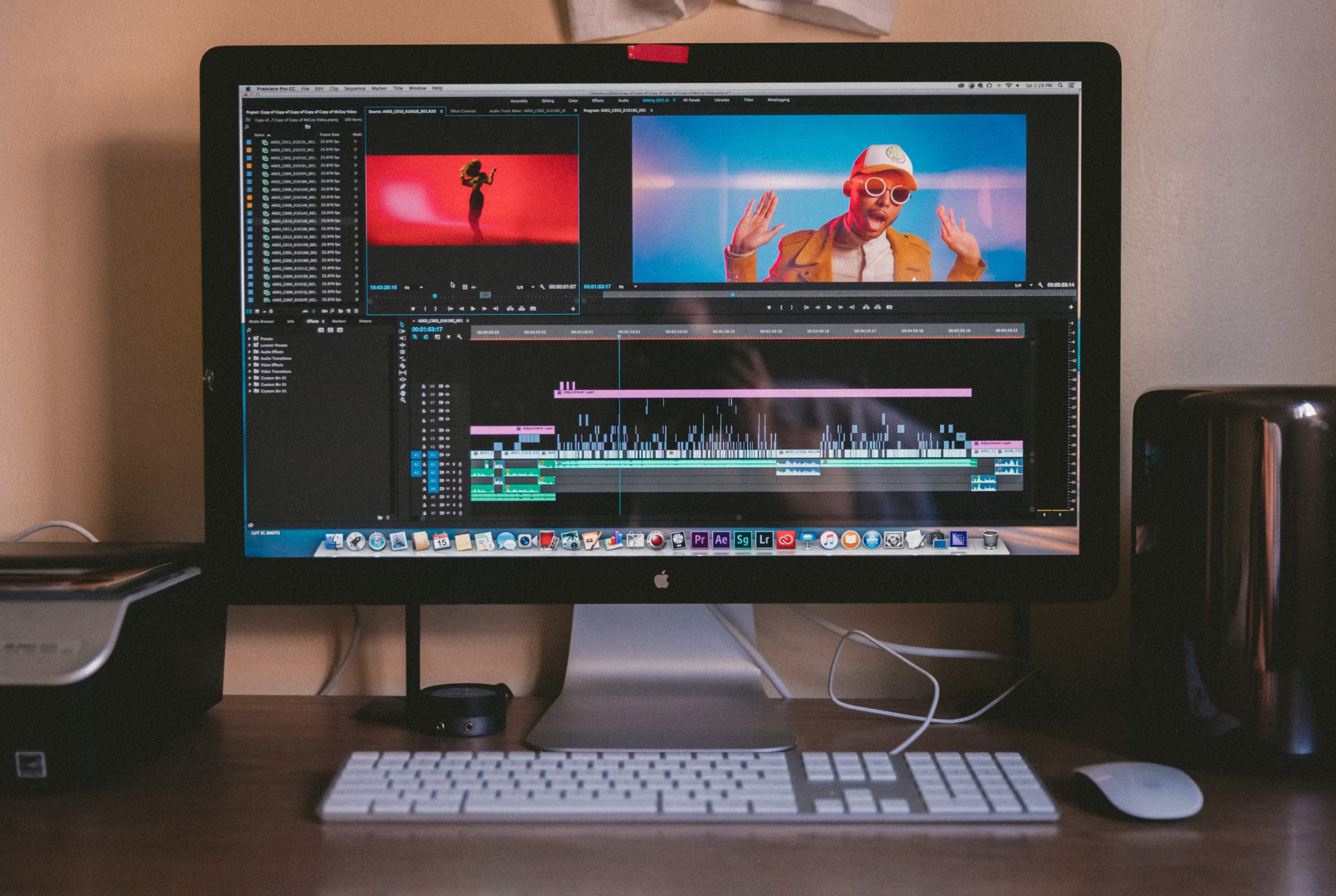
Studios rarely cut their own trailers. Specialist trailer houses — agencies with editors who do nothing else — receive the film (often an unfinished cut, sometimes only the daily rushes while shooting continues) plus a brief: target audience, comparable hits, tone to promise. The trailer editor’s craft is a distinct specialism because the skills invert the feature editor’s: instead of building meaning gradually over hours, the trailer editor must manufacture complete emotional arcs in minutes, frequently before the film’s own arc is finished — which is why trailers contain shots, lines, and sometimes whole scenes that never appear in the movie; they were cut from material the final edit discarded, or filmed exclusively for marketing. The campaign then deploys a ladder of formats. Teasers (30–60 seconds, released earliest, sometimes before filming wraps) announce existence and tone — a logo, a voice, one indelible image — and deliberately withhold story. Theatrical trailers (around two to two-and-a-half minutes; industry agreements cap them there) tell a compressed story and sell the premise, the stars, and the set pieces. TV spots and social cuts (30/15/6 seconds) reduce the campaign to a single joke, scare, or spectacle beat tuned per audience segment. Each format is cut separately rather than merely shortened — a good spot is composed, not amputated — and the modern campaign produces dozens of variants so platforms and demographics each get the cut calculated to move them.
The Structure: Three Acts, One Withheld Ending
A full trailer secretly follows the film’s three-act skeleton, with one surgical removal: it plays act one (world and hero, established in seconds through the most legible footage), accelerates through act two as a montage of rising stakes, spectacle, and the film’s best one-liners, then stops before act three — freezing at the moment of maximum peril or promise, because the resolution is the product being sold and giving it away is the one unforgivable cut. Around that skeleton hang the craft’s signature devices. The cold open: a single striking scene or line before the studio logos, buying attention before the skip instinct fires. Montage acceleration: cuts shorten as music builds, a tempo curve the body feels as excitement regardless of content. The button: one final joke, gasp, or title-card sting after the apparent end — the beat viewers repeat to friends, which is to say the beat that actually sells the tickets. Title cards and voice-over have traded dominance across eras: the gravel-voiced “In a world…” narration defined decades, gave way to dialogue-driven cuts and minimalist cards, and survives now mainly as knowing parody. Comedy trailers face the craft’s cruellest constraint — they must prove the film is funny using jokes that still work stripped of context, while saving better jokes for paying audiences, which is why comedy trailers systematically undersell good comedies and why the second trailer, recut after test screenings, so often repositions a dramedy as a romp or a thriller as an action film. The trailer is not the movie’s summary; it is the studio’s argument about which audience should want it, edited to win.
Sound, Music, and the Ethics of the Misleading Cut
Ask a room of viewers to hum a trailer and they will reproduce its sound design before its images: the braaam (the deep brass-and-synth blast popularised by Inception’s campaign), the slowed-down pop cover in a minor key, the three escalating trailer “hits” under the title card, and the strategic silence before a scare or a punchline. Trailer music is usually licensed library work or bespoke composition rather than the film’s score (which often doesn’t exist yet), and sound designers build a trailer’s sonic arc — build, drop-out, build, sting — as rigorously as its picture arc. Which returns the discussion to honesty. Trailers sit on a spectrum: representative cuts sell the film that exists; aspirational cuts sell its best interpretation; and a notorious minority sell a different genre entirely — the horror repositioned as family fare by omission, the slow arthouse drama cut like an action film. Audiences nurse real grievances here (a handful of famous cases even drew lawsuits, dismissed on the principle that viewers know trailers are advertisements), and the craft’s self-correcting mechanism is reputational: a campaign may oversell once, but word of mouth taxes the opening weekend that follows, which is why modern campaigns, tested against audience panels like the films themselves, mostly aim at the sharp end of truthful. Knowing how the sausage is made — agencies, acts, buttons, braaams — doesn’t ruin trailers. It makes watching them a craft appreciation in itself: two minutes, engineered to raise your pulse and open your wallet, and frequently the most efficiently edited film you’ll see all year.

