
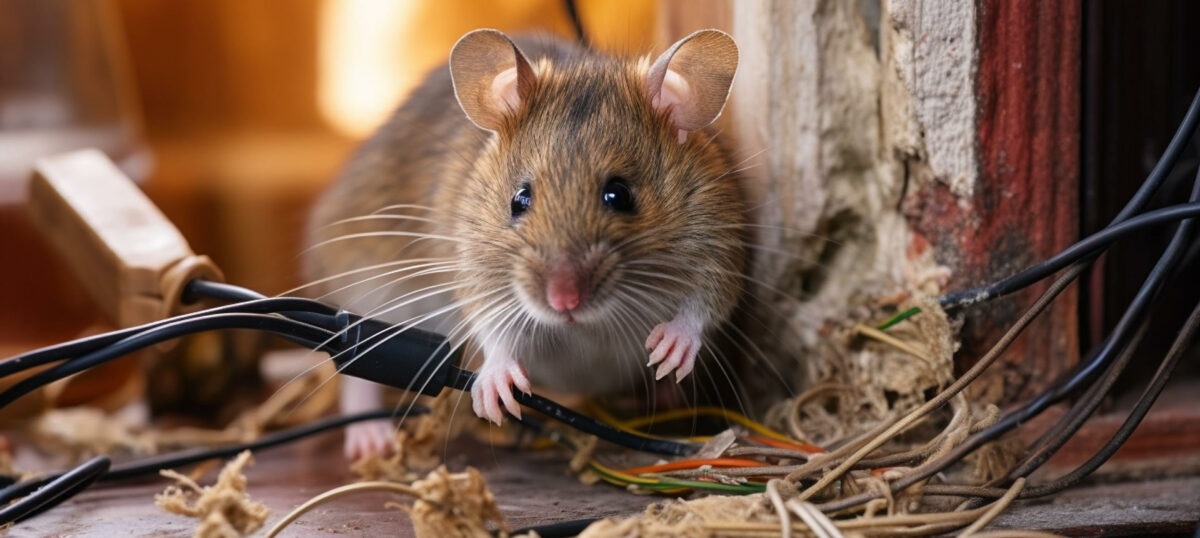
Rodent Control in Chelmsford: Protect Your Home From Rats and Mice
Introduction
Discovering rats or mice inside your home can be unsettling, but ignoring the problem can make it considerably worse. Rodents are adaptable pests that can find food, shelter and hidden routes into buildings through surprisingly small openings. In Chelmsford, one overlooked route is the drainage system, where damaged pipes and defective joints can provide rodents with access to residential and commercial properties.
Effective Rodent control is not simply about removing the animals that are visible. A lasting solution requires finding out why rodents have entered the property, identifying their access points and taking steps to prevent them from returning.
Whether you have noticed droppings in a kitchen, scratching sounds at night or unusual activity around drains, understanding the cause of the infestation is the first step toward resolving it.
Why Rodents Become a Problem in Chelmsford Properties
Rats and mice are constantly searching for three basic things: food, water and somewhere safe to live. Buildings can provide all three.
Food left in open containers, uncovered rubbish, pet food and crumbs can attract rodents. Outside, overgrown vegetation, garden clutter and poorly secured bins can create additional hiding places. Once rodents discover a reliable food source, they may establish themselves nearby.
Drainage systems can make the situation even more difficult. Underground pipes provide darkness, moisture and protection from many external threats. If a drain has a crack, displaced joint or poorly fitted connection, rats may exploit the weakness and move through the pipework.
This means that seeing a rat inside your property does not necessarily mean the infestation started inside the building. The original access route could be somewhere outside or underground.
Common Warning Signs of a Rodent Infestation
Rodents are often active when people are asleep, meaning an infestation can develop before anyone actually sees a rat or mouse.
Look out for signs such as:
- Droppings around cupboards, food storage areas or hidden corners
- Scratching or movement sounds, particularly at night
- Gnaw marks on materials, packaging or other objects
- Unusual smells in enclosed areas
- Nesting material behind appliances or in concealed spaces
- Greasy marks along walls or frequently used routes
- Damage around doors, pipes, vents or other possible entry points
- Rodent activity near drains or inspection chambers
A single sighting should not automatically be dismissed. Rodents are cautious creatures, so seeing one can indicate that others may be nearby.
How Rats Can Enter Through Drainage Systems
One of the most overlooked aspects of rodent prevention is the condition of the drainage system.
Rats are capable climbers and swimmers and can navigate underground drainage networks. Defective pipework can create routes between the sewer system and a property.
Potential weaknesses include cracked pipes, broken sections, displaced joints, redundant junctions, open pipework and gaps around drainage connections.
A damaged drain may remain unnoticed because most of the system is underground. Property owners cannot easily see what is happening inside their pipes simply by inspecting the garden or exterior walls.
This is where a CCTV drainage inspection can be particularly useful.
What Is a CCTV Drainage Survey?
A CCTV drainage survey uses specialist camera equipment to inspect the inside of drainage pipes without requiring unnecessary excavation.
The camera can travel through the relevant drain runs and branch lines, allowing technicians to investigate the condition of the pipework. The inspection may reveal cracks, gaps, defective joints, structural problems and possible routes being used by rats.
For a property experiencing unexplained rat activity, this can provide important information that conventional pest inspection alone may not reveal.
Instead of simply treating the symptoms, the investigation can help establish whether a drainage defect is contributing to the infestation.
Benefits of Professional Rodent Control
1. Identifying the Source
Professional pest control starts with investigating where rodents are coming from. Finding an entry point can be just as important as removing the pest itself.
2. A More Targeted Treatment
Once the extent of the problem is understood, treatment can be planned around the property rather than relying entirely on trial and error.
3. Reduced Risk of Recurring Infestations
Removing rodents without addressing their access route may leave the property vulnerable to another infestation. Exclusion and proofing measures help reduce this risk.
4. Professional Advice
A qualified technician can identify conditions that may be encouraging rodent activity and recommend practical improvements around the property.
5. Drainage Investigation
Where rats appear to be connected with underground drainage, CCTV inspection can help locate structural defects and possible access points.
What Can You Do Before Calling a Pest Control Professional?
There are several sensible steps homeowners can take to make their property less attractive to rodents.
Secure Food Properly
Store food in sealed containers rather than leaving packets open. Clean crumbs and food spills promptly, particularly underneath kitchen appliances and furniture.
Pet food should also be stored securely, and bowls should not be left filled overnight where possible.
Improve Waste Management
Keep rubbish containers properly closed. Overflowing or exposed waste can provide an easy food source for rats and mice.
Seal Accessible Gaps
Inspect the exterior of the property for gaps around pipes, doors, walls and other service entrances. Small openings can sometimes be enough for rodents to exploit.
Appropriate materials such as wire mesh, steel wool or suitable sealants can help close minor gaps, although larger structural defects may require professional repair.
Reduce Outdoor Hiding Places
Trim vegetation close to the property and remove unnecessary piles of rubbish, timber and garden clutter. Keeping outdoor areas tidy makes it harder for rodents to establish concealed nesting locations.
DIY Traps and Repellents: Are They Enough?
For a minor problem, homeowners sometimes use snap traps or humane traps in areas where rodent activity has been identified. Common bait choices include peanut butter, chocolate and dried fruit.
Repellents such as peppermint-based products and ultrasonic devices are also widely available. However, their effectiveness can vary and they should not be viewed as a guaranteed solution.
If rodents continue to appear despite these measures, professional intervention is usually the more reliable approach.
A persistent infestation can indicate that the property has an accessible food source, nesting location or structural entry route that has not been addressed.
When Should You Search for Rodent Control Services Near Me?
Searching for Rodent control services near me can be worthwhile when the problem is persistent, widespread or difficult to locate.
Professional assistance is particularly useful when:
- Rats are repeatedly seen inside or around the property
- Rodent activity continues after DIY measures
- You hear movement inside walls, ceilings or floors
- There are signs of significant contamination
- You suspect rodents are entering through drains
- You cannot identify the source of the infestation
- You need help preventing future access
For businesses, professional assistance can be even more important because rodent activity can affect staff, customers, stock and the general condition of the premises.
Why Prevention Matters After Treatment
Successful rodent removal should not be considered the end of the process.
If an entry point remains open, another rodent can eventually discover the same route. This is why exclusion and proofing are important parts of long-term pest management.
Depending on the property, prevention may involve sealing access points, improving waste storage, reducing outdoor shelter and investigating defective drainage.
Where underground drainage is responsible, repairing the underlying defect can be an essential part of preventing another infestation.
Choosing a Pest Control Company in Chelmsford
Not every pest control provider offers exactly the same service, so it is sensible to compare companies before making a decision.
Consider their experience with rodent infestations, inspection methods, treatment options and follow-up procedures. Ask whether they provide guarantees, what safety precautions are used and whether they can investigate drainage-related access.
Customer reviews can also provide useful insight into reliability and service quality.
For larger or commercial properties, ask whether the company has experience working in environments such as warehouses, restaurants, offices, schools and rented accommodation.
Conclusion
Rodent problems rarely disappear simply because the visible pest has been removed. The more effective approach is to understand what attracted the rodents, how they entered and what needs to change to prevent another infestation.
For homes and businesses in Chelmsford, drainage should not be overlooked as a potential route. Cracked pipes, displaced joints and other defects can give rats an underground pathway into buildings. A CCTV drainage survey can help reveal problems that would otherwise remain hidden.
Good Rodent control combines treatment with prevention. By securing food, managing waste, reducing outdoor hiding places, sealing suitable entry points and investigating drainage problems when necessary, property owners can make their premises considerably less attractive to rodents.